
Why Talking About Our Work Feels Harder Than It Should
One thing I’ve noticed over the years working with Legal Nurse Consultants is that confidence in the work is rarely the issue. LNCs know their value. They’re smart, experienced, detail-oriented, and trusted in high-stakes situations. And yet, when it comes time to talk about their services, follow up with attorneys, or put themselves out there more visibly, something shifts.
I hear it in conversations all the time. “I don’t want to bother them.” “If they need me, they’ll reach out.” “I don’t want to sound salesy.” These aren’t excuses they’re signals. Signals that for many Legal Nurse Consultants, business development doesn’t feel like a neutral task. It feels personal.
That makes sense. When you sell a product, the product stands on its own. When you sell expertise, you are the product. Your judgment, credibility, and professional identity are what’s being evaluated. A yes can feel validating. Silence or hesitation can feel uncomfortable in a way that’s hard to explain — even when logically we know it isn’t personal.
Most of us came into this profession through clinical work, where decisions are guided by evidence, standards, and relatively clear outcomes. Business development is different. You can do everything “right” and still not get a response. That uncertainty can be unsettling, especially for professionals who are used to minimizing risk, not stepping into it.
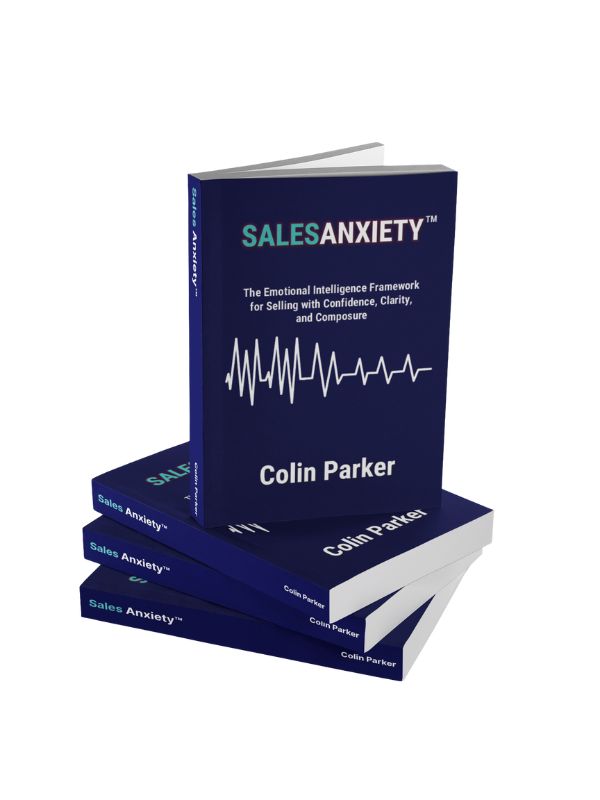
Recently, I was introduced to the concept of Sales Anxiety™ through the work of Colin Parker, and what stood out to me wasn’t sales advice or tactics. It was the language. Sales Anxiety™ describes the emotional friction that shows up between knowing what to do and feeling safe enough to do it — particularly when credibility and identity are involved.
That idea resonated because it explains something many Legal Nurse Consultants experience but rarely talk about. The hesitation around follow-up. The tendency to overprepare instead of reach out. The feeling that visibility is draining rather than energizing. These behaviors aren’t signs of weakness or lack of confidence. They’re forms of self-protection.
One of the most helpful reframes in this work is that anxiety isn’t something to eliminate. It’s information. That pause before sending an email or making a call is your nervous system reacting to uncertainty, not a sign that you’re doing something wrong. When you understand that, the goal stops being “push through it” and becomes “create conditions that feel steadier.”
For many professionals, that means structure. Clear follow-up rhythms. Simple language instead of over-explaining. Consistency that removes the need to decide, in the moment, whether it’s okay to reach out. Structure doesn’t make selling impersonal; it actually makes it calmer.
This matters for Legal Nurse Consultants because professionalism and integrity are central to how we see ourselves. When selling feels like it threatens that identity, it’s natural to pull back. But understanding why that discomfort shows up makes it possible to approach business development in a way that feels aligned, measured, and ethical.
If any of this feels familiar, it doesn’t mean you’re bad at sales. It means you care about your work and how you show up. Naming that experience — instead of judging it — is often the first step toward feeling more composed and confident talking about what you do.
Learn More About Sales Anxiety
For those interested in exploring this idea further, the concept of Sales Anxiety™ comes from the work of Colin Parker, who works with professionals who sell their expertise — including clinicians, consultants, and medical-legal professionals. His book, Sales Anxiety™: The Emotional Intelligence Framework for Selling Expertise with Confidence, Clarity, and Composure, looks at why capable professionals often struggle with visibility, follow-up, and business development, and how understanding the emotional side of selling can make those moments feel steadier and more aligned. You can learn more about the framework and the book at https://salesanxiety.com.